Malthusian Environmentalism
Environmental current inspired by Garrett Hardin that links population pressure to the depletion of common resources. It favours collectively enforced limits on resource use and policies to curb population growth.
Home / Ideologies / Malthusian Environmentalism
Environmental current inspired by Garrett Hardin that links population pressure to the depletion of common resources. It favours collectively enforced limits on resource use and policies to curb population growth.
In one sentence
I want to preserve limited resources through firm rules for the commons and limits on population growth.
Political topics
Leans further toward assimilation than 93% of the 263 ideologies in the catalog.
Of all the topics, Immigration is where it stands furthest from the rest.
On Free market, it sits close to the catalog median.
Here it shares common ground with most ideologies.
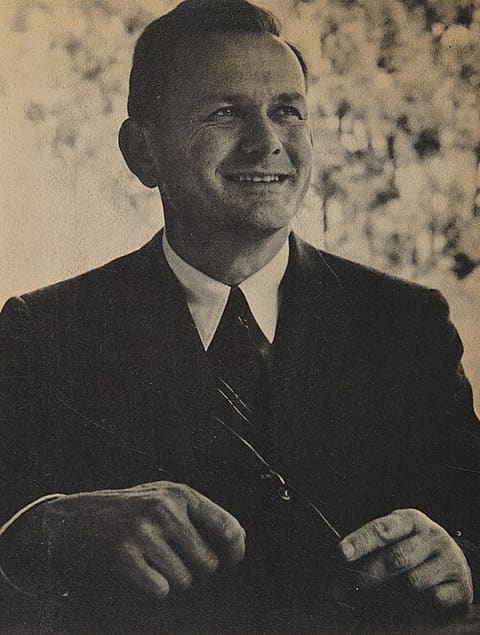
An American ecologist, Hardin popularized the Tragedy of the Commons, arguing that shared resources degrade without control, a thesis that influenced debates on the environment, property, and population control.
Closest, by dimension
Other compatible profiles




The most distant
Reference country

A global power and presidential federal republic, the United States combines a strong liberal tradition, a dynamic market economy, technological innovation, and a two-party system that polarizes national political life.
Other close countries
A parliamentary federal republic in Central Europe, Austria combines military neutrality, a robust welfare state, a social market economy, a moderate Catholic-secular culture, and deep integration into the European Union.
Also close, by dimension

The most distant
Under Thomas Sankara, Burkina Faso combined food self-sufficiency, mass vaccination and literacy campaigns, women's emancipation, rejection of foreign debt, and a frontal break with French neocolonialism.
Also close, by dimension
The most distant
Ideological proximity
Closest within Center
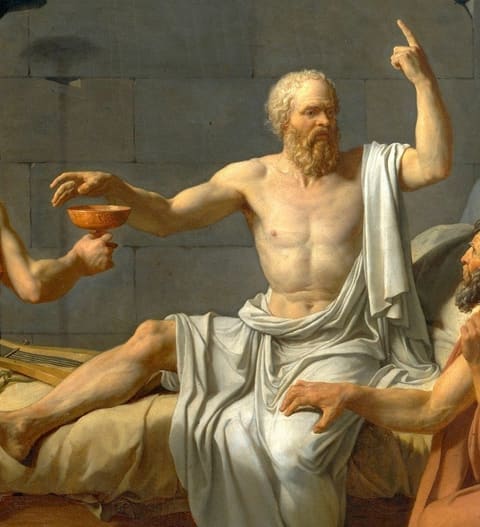
Socrates' dialectical method, examining beliefs through rational questioning and the pursuit of virtue, distrustful of mass politics and the rhetoric of demagogues, yet respectful of the city's rule of law.
Armed neutrality that refuses alliances, interventions and foreign projection, yet sustains robust armed forces, compulsory service and prepared territorial defense, treating military strength as the guarantee of not being dragged into other nations wars.
Current that links environmental protection to national sovereignty, prioritizing the protection of the country's own natural resources and land and sustainable development within national borders.
Closest in other spectrums
Thoroughly secular conservatism that rejects faith and clergy while defending hierarchy, family, authority, nation and inherited customs as civilizational goods, treating traditional morality as a social necessity rather than a divine commandment.
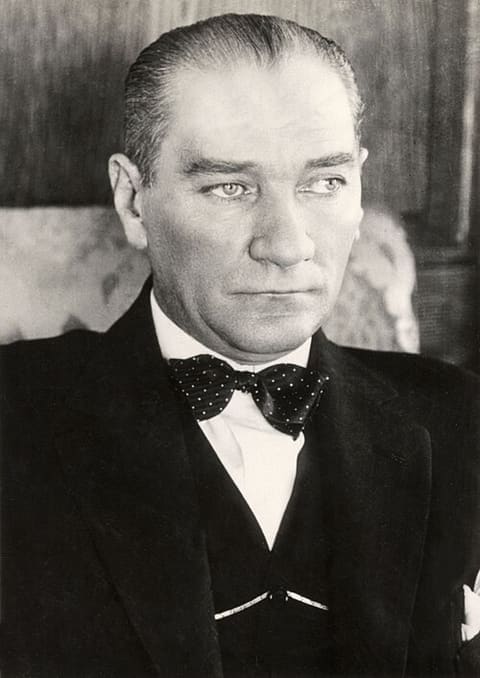
Doctrine of Mustafa Kemal Atatürk that founded modern Turkey on six arrows: republicanism, nationalism, populism, statism, laicism and reformism, imposing Westernization and state control of religion from above.
A current that sees the unitary, centralized state as the guarantor of individual liberty: uniform law, secularism and single citizenship dismantle the local, clerical and corporate privileges that would oppress the individual without a strong national power.
The most distant ideology
Techno-AnarchismAnarchist40%