Anarcho-Capitalism
Current that proposes abolishing the state and organizing all of society through contracts and free markets, with security, justice, and services provided by competing private companies under absolute property rights.
Home / Ideologies / Anarcho-Capitalism
Current that proposes abolishing the state and organizing all of society through contracts and free markets, with security, justice, and services provided by competing private companies under absolute property rights.
In one sentence
I want to abolish the state and organize everything through contracts and free markets, with security and justice sold by private companies.
Political topics
Leans further toward federal than 94% of the 263 ideologies in the catalog.
Of all the topics, Structure is where it stands furthest from the rest.
On Religion, it sits close to the catalog median.
Here it shares common ground with most ideologies.
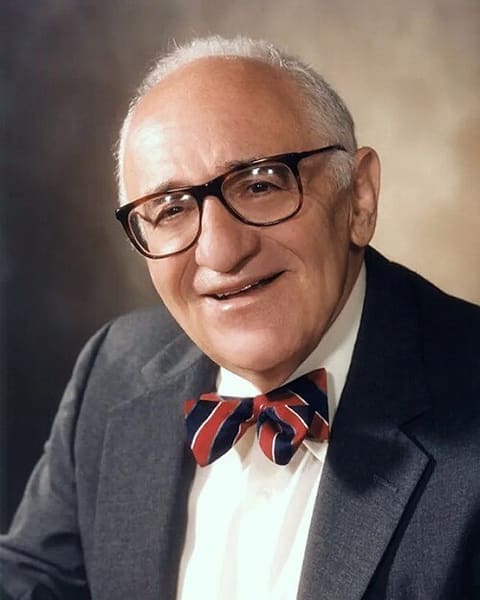
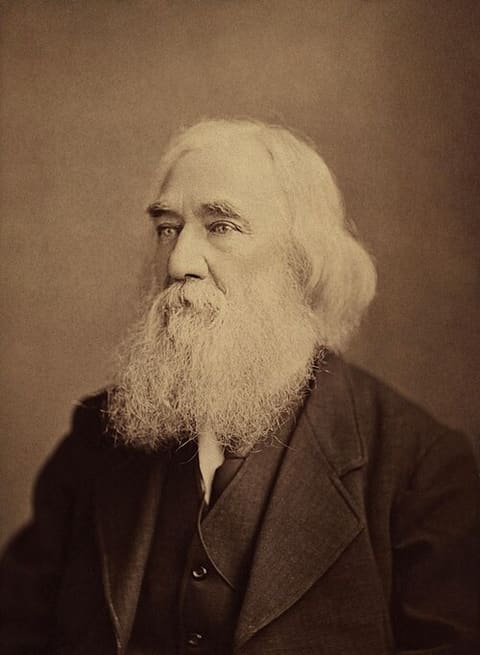
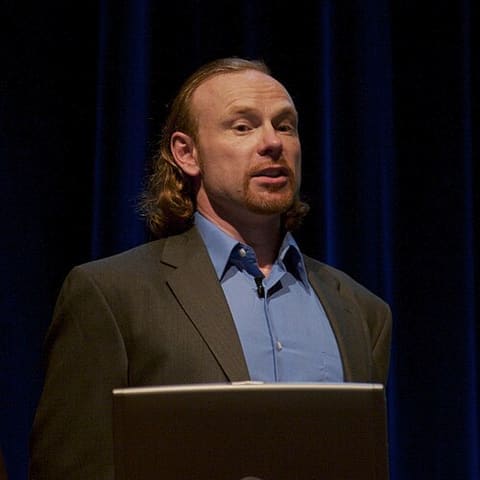
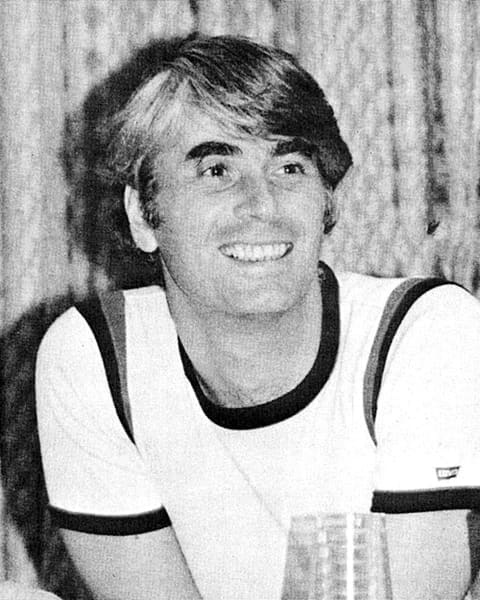
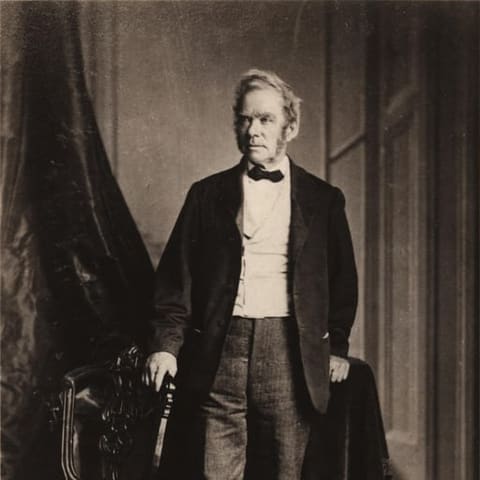
An American economist, Rothbard was the main formulator of anarcho-capitalism, defending the abolition of the state, absolute private property, and the provision of security and justice by the free market.
Closest, by dimension
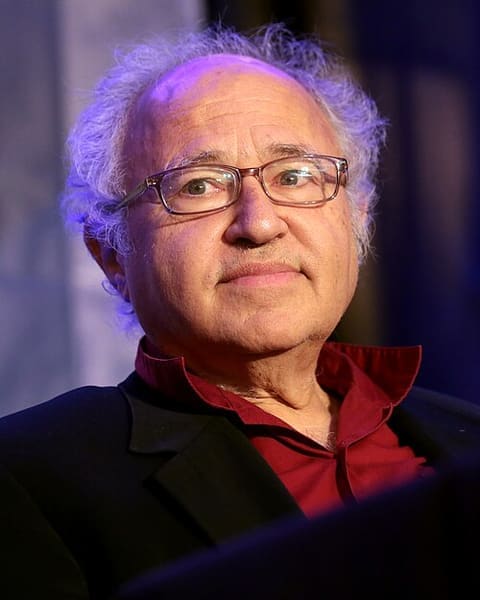

Other compatible profiles
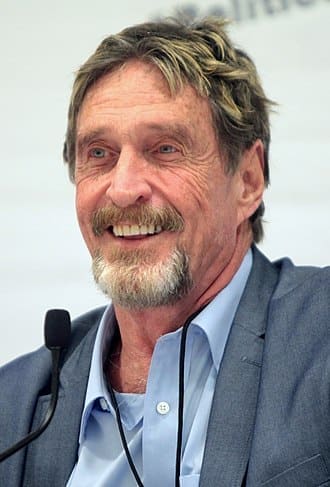



The most distant
Reference country
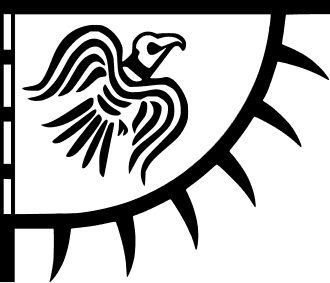
A rare society without a central state, medieval Iceland was organized by local chieftains and an assembly, the Althing, settling disputes through laws and private agreements in a decentralized system close to anarchy.
Other close countries
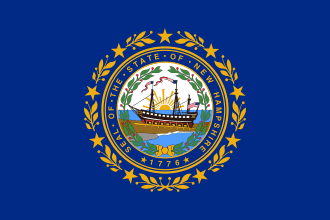
A small state in the northeastern United States, New Hampshire is known for its strong libertarian culture, low taxation, absence of a state income tax, and a motto that exalts liberty above all.
Also close, by dimension

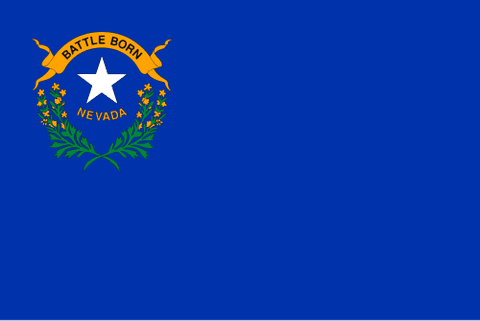
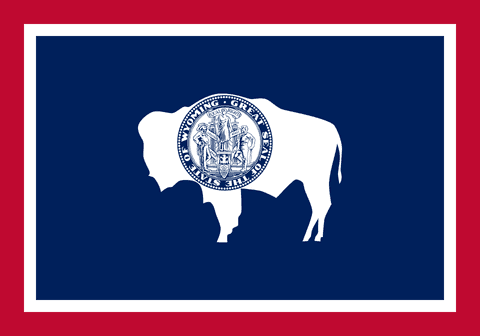
The most distant

During the Russian Revolution, Makhno's Free Territory was an anarchist experiment in Ukraine, with self-managed peasant communes and popular militias that rejected both the White state and Bolshevik power.
Also close, by dimension
The most distant
Ideological proximity
Closest within Libertarian
Philosophy that advocates maximum individual freedom and a state reduced to essential functions, valuing private property, free markets, and personal autonomy while rejecting state coercion over life.
Current that uses cryptography and digital technologies to guarantee privacy, freedom, and transactions beyond state control, seeking to weaken surveillance and authority through technological means.
Branch that unites anti-politics, radical free markets, and direct popular communication, attacking bureaucracies, taxes, and party elites in the name of individual freedom, entrepreneurship, and the sovereignty of the ordinary citizen.
Closest in other spectrums
Current that advocates free markets, deregulation, privatization, and fiscal discipline, reducing the state's economic role and trusting competition and monetary stability as engines of prosperity.
Political tradition that places individual freedom at the center, defending rights, tolerance, the rule of law, a market economy, and limits on power, with government subject to the consent of citizens.
Current founded by Max Stirner in The Ego and Its Own (1844), which rejects the state, morality, religion and rights as spooks and proposes voluntary unions of egoists who associate only while it serves them.
The most distant ideology
Fourth Political TheoryThird Position24%