Athenian Democracy
Ideology of the classical polis, advocating direct popular sovereignty through assembly and sortition among equal citizens, while reserving citizenship to a hereditary minority, excluding women, foreigners and slaves.
Home / Ideologies / Athenian Democracy
Ideology of the classical polis, advocating direct popular sovereignty through assembly and sortition among equal citizens, while reserving citizenship to a hereditary minority, excluding women, foreigners and slaves.
In one sentence
I want a polis of sovereign assembly and offices by lottery among free citizens, reserving citizenship by blood to the city's men.
Political topics
Leans further toward religious than 88% of the 263 ideologies in the catalog.
Of all the topics, Religion is where it stands furthest from the rest.
On Economy, it sits practically at the catalog median.
Here it shares common ground with most ideologies.
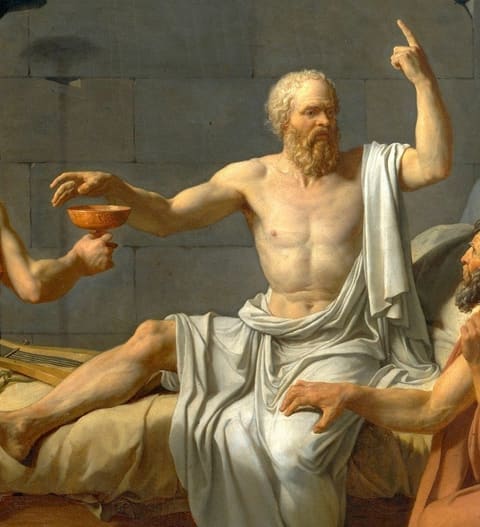
Athenian philosopher, Socrates created the dialectical method of questioning to examine beliefs and pursue virtue, distrusted mass politics and the rhetoric of demagogues, and was executed for corrupting the youth.
Closest, by dimension


Other compatible profiles





The most distant
Reference country

A city-state of Ancient Greece, Athens was the cradle of direct democracy, with citizens deciding the polis's course in assembly, although participation excluded women, foreigners, and slaves from political life.
Other close countries
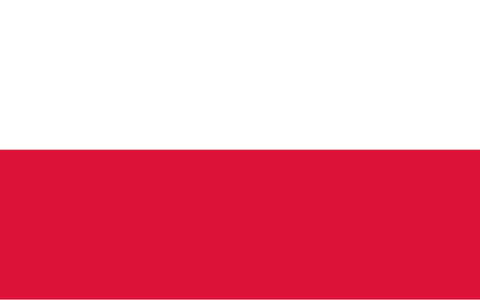
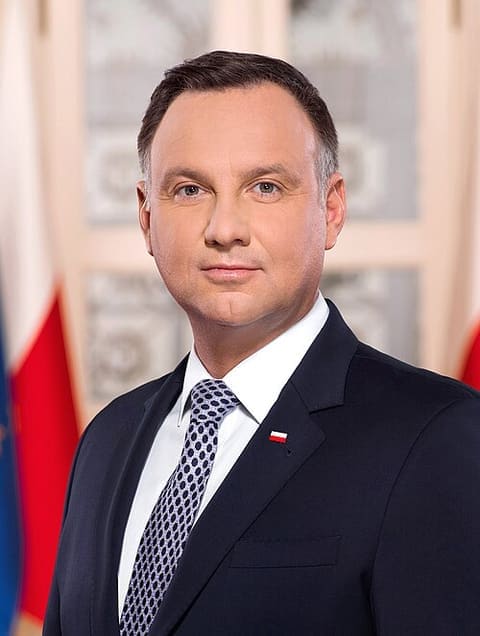
A parliamentary republic in Eastern Europe, Poland combines democracy, a strong Catholic and nationalist identity, and a growing market economy, with politics marked by tensions between conservatism and liberalism.
Also close, by dimension
The most distant
A city-state of Ancient Greece, Athens was the cradle of direct democracy, with citizens deciding the polis's course in assembly, although participation excluded women, foreigners, and slaves from political life.
Also close, by dimension


The most distant
Ideological proximity
Closest within Right
Current that unites traditional values, family, and religion with strong cultural nationalism, defending sovereignty, borders, and the people's identity within democracy, with clear distrust of globalism.
Right-wing current that unites free markets, traditional values, and an interventionist foreign policy, advocating the promotion of democracy and national interests through military force and global leadership.
Prioritizes national sovereignty, identity, and cohesion, associating them with right-wing positions such as social hierarchy, cultural conservatism, or immigration restriction. Currents vary in their views of the state and economy, from free markets to national protectionism.
Closest in other spectrums
Democratic Party current born with Franklin Roosevelt that joins financial regulation, social security, public works and strong unions with civic patriotism, preserved capitalism and international leadership.
Justicialist doctrine of Juan and Eva Perón uniting political sovereignty, economic independence and social justice, with CGT unions, nationalizations, protected industrialization, social Catholicism and a charismatic leader above parties.
Centrist branch that combines economic moderation and institutional respect with social conservatism, valuing family, religion, order, and gradual change without joining the authoritarian right or populist radicalism.
The most distant ideology
Crypto-AnarchismLibertarian33%