Feudalism
A medieval order based on personal bonds of vassalage between lord and vassals, with land granted as fiefs, a hereditary warrior nobility, serfs bound to the land, the Church as moral authority, and power fragmented among local lords.
Home / Ideologies / Feudalism
A medieval order based on personal bonds of vassalage between lord and vassals, with land granted as fiefs, a hereditary warrior nobility, serfs bound to the land, the Church as moral authority, and power fragmented among local lords.
In one sentence
I want lords and vassals bound by fealty, the Church at the center, and each in their estate: those who pray, fight, or till.
Political topics
Leans further toward religious than 98% of the 263 ideologies in the catalog.
Of all the topics, Religion is where it stands furthest from the rest.
On Free market, it sits practically at the catalog median.
Here it shares common ground with most ideologies.
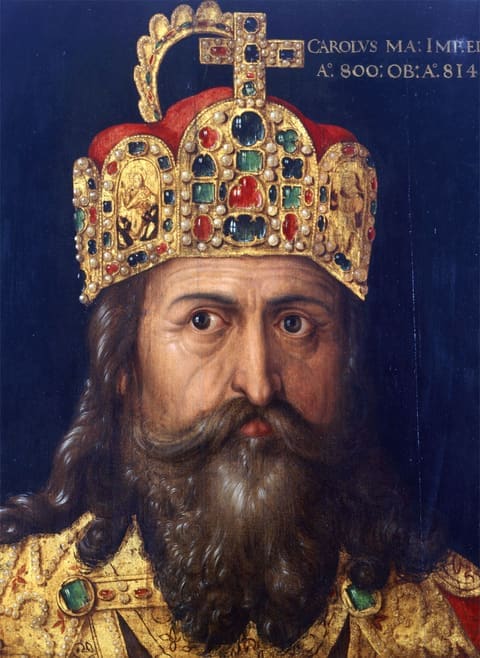
King of the Franks and emperor, Charlemagne united military expansion, Christianization, administrative reform, and cultural patronage, becoming a symbol of imperial Christian monarchy and the medieval European order.
Closest, by dimension
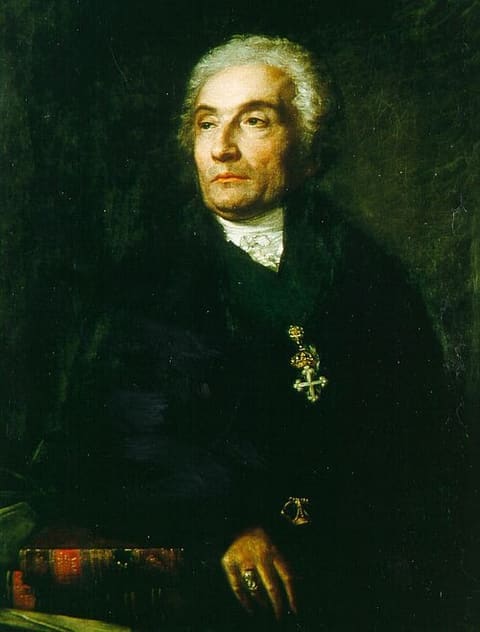
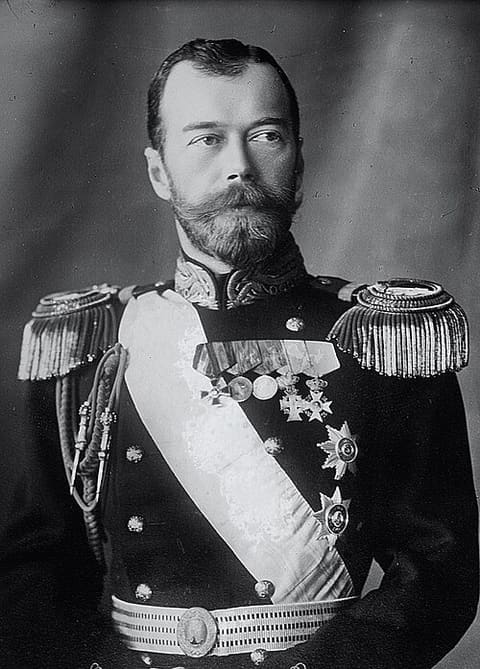
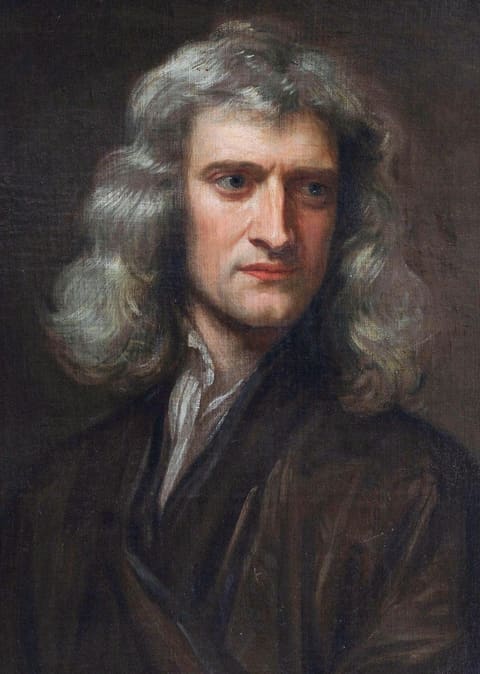
Other compatible profiles

The most distant
Reference country
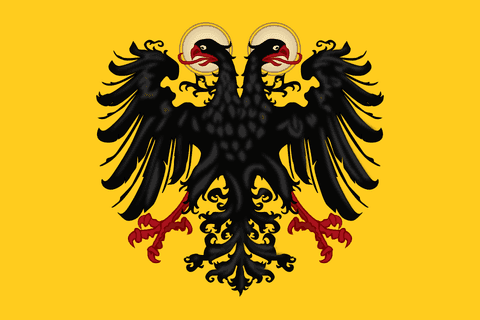
A federation of Central European territories, the Holy Roman Empire gathered principalities and cities under an elected emperor and strong Church influence, marked by fragmented power and the autonomy of its members.
Other close countries
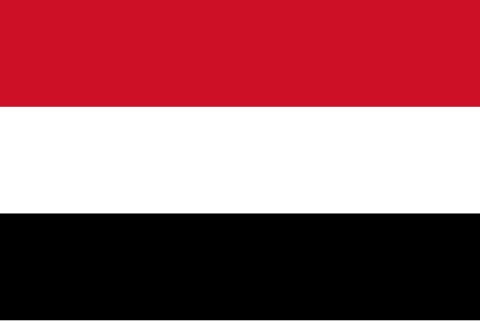
Divided by civil war since 2014, Yemen has a Saudi-backed recognized government in the south and the Zaydi Houthis in the north; southern separatists were defeated in 2026. There is famine, Red Sea attacks and a barely existing state.
Also close, by dimension
The most distant
A crusader state founded after the First Crusade, the Kingdom of Jerusalem was a Latin Catholic feudal monarchy, backed by the Templar and Hospitaller military orders, with powerful barons, constant holy war and a Frankish elite over a native majority.
Also close, by dimension
The most distant
Ideological proximity
Closest within Far-Right
A Spanish current of counter-revolutionary traditionalism, born in the 19th-century Carlist Wars under the motto God, Fatherland, Fueros and King, advocating a legitimist Catholic monarchy, religious unity, regional fueros and an organic society against liberalism.
Political tradition of the nineteenth-century American South tied to the Confederacy, defending states' rights and secession, an agrarian, patriarchal and Christian society, free trade and a military tradition. Historically, this tradition also defended slavery and racial hierarchy.
A current of René Guénon and Julius Evola that sees modernity as the decay of a universal spiritual tradition, defending sacred hierarchy, castes, initiatory order and the primacy of spirit over economics and mass politics.
Closest in other spectrums
Aristotle's political philosophy, defending a mixed constitution of monarchical, aristocratic and popular elements to avoid both tyranny and radical democracy, reserving full citizenship for those with virtue, property and the education to deliberate.
Current advocating a monarch who actually governs, as constitutional head of the executive or absolute sovereign, over a federation of states or regions with broad self-government, as in the German Empire of 1871, the United Arab Emirates, and Malaysia.
Russian geopolitical current that sees Eurasia as a distinct civilization and proposes a Moscow-led continental bloc, with regional autonomy and shared strategic command, against Atlanticism and US hegemony.
The most distant ideology
Left AccelerationismLeft26%