Geoanarchism
Synthesis of anarchism and Georgism that rejects the state but treats land and natural resources as commons, defending that their rent be shared by the whole community in a free and egalitarian way.
Home / Ideologies / Geoanarchism
Synthesis of anarchism and Georgism that rejects the state but treats land and natural resources as commons, defending that their rent be shared by the whole community in a free and egalitarian way.
In one sentence
I want to abolish the state and treat land as a common heritage, sharing its revenues directly among free communes.
Political topics
Leans further toward federal than 88% of the 263 ideologies in the catalog.
Of all the topics, Structure is where it stands furthest from the rest.
On Free market, it sits close to the catalog median.
Here it shares common ground with most ideologies.
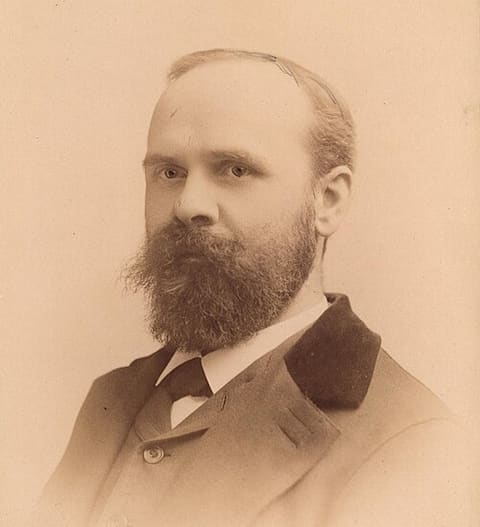
An American individualist anarchist, Tucker championed a free market without state or monopolies, uniting radical individual freedom and mutualism, and translated the great libertarian thinkers of his time.
Closest, by dimension
Other compatible profiles
The most distant
Reference country
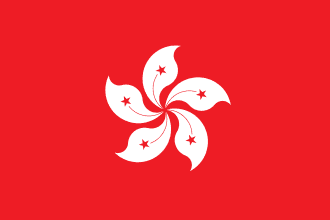
A global financial center, Hong Kong is an autonomous region of strong free-market capitalism and technocratic management, whose broad autonomy has been increasingly restricted by mainland China's political control.
Other close countries
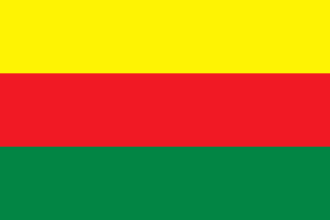
An autonomous region in northern Syria, Rojava organizes itself through democratic confederalism, with local self-management, gender equality, ethnic pluralism, and ecology, inspired by the libertarian ideas of Abdullah Öcalan.
Also close, by dimension
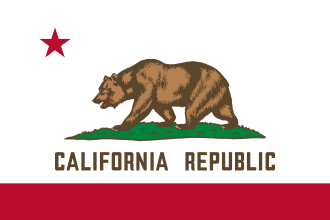
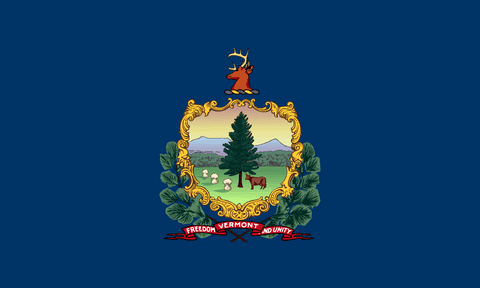
The most distant
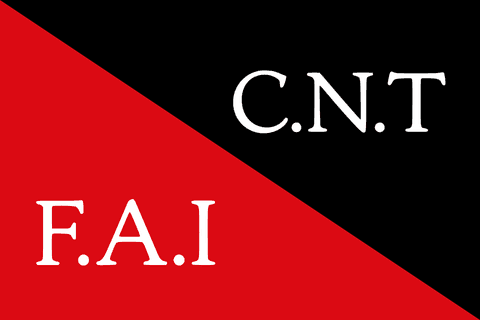
During the Spanish Revolution, regions of Aragon and Catalonia lived an anarchist experiment of collectivizing land and factories, with workers' self-management and social organization without a central state.
Also close, by dimension


The most distant
Ideological proximity
Closest within Anarchist
Philosophy that rejects the state and all coercive authority, defending the free organization of society through voluntary associations, cooperation, and self-management, with freedom and equality as central values.
Current that sees revolutionary unions as the basis for overthrowing capitalism through direct action and the general strike, organizing production by the workers themselves in a free, stateless society.
Left-libertarian branch that unites broad individual freedom with collective or shared ownership of resources, defending autonomy, cooperation, and the rejection of both the authoritarian state and capital.
Closest in other spectrums
A plural critique of universalism, linear progress, and grand narratives. In a Foucauldian reading, genealogy and power/knowledge analysis show how institutions, norms, and discourses produce subjects and open possibilities for local resistance.
Democratic Marxism inspired by Rosa Luxemburg, which unites revolution and freedom, values the spontaneity of the masses and the general strike, and criticizes both reformism and the authoritarian centralism of vanguard parties.
Movement that places unions and workers' organization at the center of politics, defending collective bargaining, direct action, and labor control over production as the path to working-class emancipation.
The most distant ideology
Radical RightFar-Right27%