Techno-Commercialism
A neoreactionary current that rejects democracy in favor of microstates run like firms. It favors competition among jurisdictions, free markets, the right of exit, and technological innovation as principles of government.
Home / Ideologies / Techno-Commercialism
A neoreactionary current that rejects democracy in favor of microstates run like firms. It favors competition among jurisdictions, free markets, the right of exit, and technological innovation as principles of government.
In one sentence
I want competing corporate cities run by shareholders, with freedom to exit and markets and technology rewarding efficiency.
Political topics
Leans further toward federal than 94% of the 263 ideologies in the catalog.
Of all the topics, Structure is where it stands furthest from the rest.
On Nationalism, it sits practically at the catalog median.
Here it shares common ground with most ideologies.
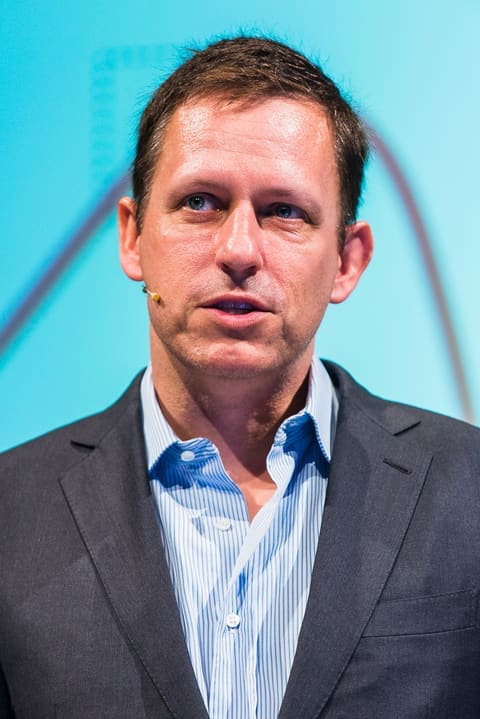
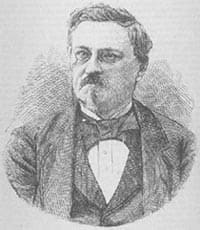
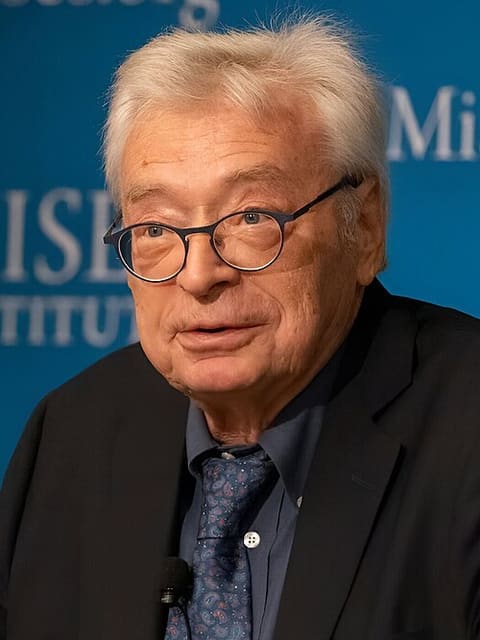
An American entrepreneur and investor, Thiel is an influential figure of tech capitalism and champions libertarian and neoreactionary ideas, skeptical of democracy and enthusiastic about disruptive innovation.
Closest, by dimension

Other compatible profiles

The most distant
Reference country
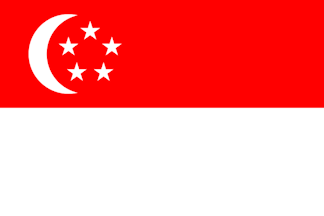
An Asian city-state, Singapore is a parliamentary republic dominated by a single party, combining open capitalism, efficient technocratic management, strict order, and limited political freedoms in the name of progress.
Other close countries
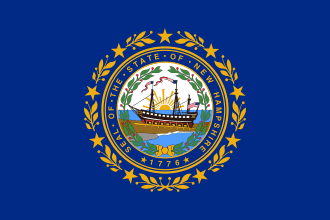
A small state in the northeastern United States, New Hampshire is known for its strong libertarian culture, low taxation, absence of a state income tax, and a motto that exalts liberty above all.
Also close, by dimension

The most distant

A pioneering modern merchant republic, the United Provinces were a confederation governed by a commercial oligarchy, marked by religious tolerance, free trade, and immense naval and financial power at their height.
Also close, by dimension


The most distant
Ideological proximity
Closest within Libertarian
A world divided into independent city-states and microstates that compete like a market, with free secession, the right of exit and political experimentation, from the medieval free cities to Yarvin's "patchwork" and seasteading.
Current that sees monarchy as a guarantee of freedom and stability, defending a king with limited power who protects property and individual rights and maintains a lean, minimally interventionist state.
Libertarian branch that defends a minimal state limited to police, courts, and defense, leaving everything else to the market and private initiative, to protect individual rights without oppressing freedom.
Closest in other spectrums
Nietzschean current that rejects egalitarian morality as herd resentment, defending a hierarchy of values, the aristocratic creation of meaning and the tragic affirmation of life after the death of God.
Economic system based on private property, free markets, and the pursuit of profit, in which production and prices are regulated by competition and supply and demand, with individual initiative as its engine.
Current that defends accelerating the system's contradictions through technology and the weakening of liberal institutions, betting on a break with the existing order to give rise to a new hierarchical social and political order.
The most distant ideology
ReactionaryismFar-Right35%