Left-Wing Populism
Current that mobilizes the people against economic elites, defending redistribution, public control, national sovereignty, plebiscitary democracy, and broad social policy in popular anti-establishment language.
Home / Ideologies / Left-Wing Populism
Current that mobilizes the people against economic elites, defending redistribution, public control, national sovereignty, plebiscitary democracy, and broad social policy in popular anti-establishment language.
In one sentence
I want the people mobilized against economic elites, with popular plebiscites and the state redistributing wealth to those below.
Political topics
Leans further toward public than 88% of the 263 ideologies in the catalog.
Of all the topics, Economy is where it stands furthest from the rest.
On Religion, it sits practically at the catalog median.
Here it shares common ground with most ideologies.
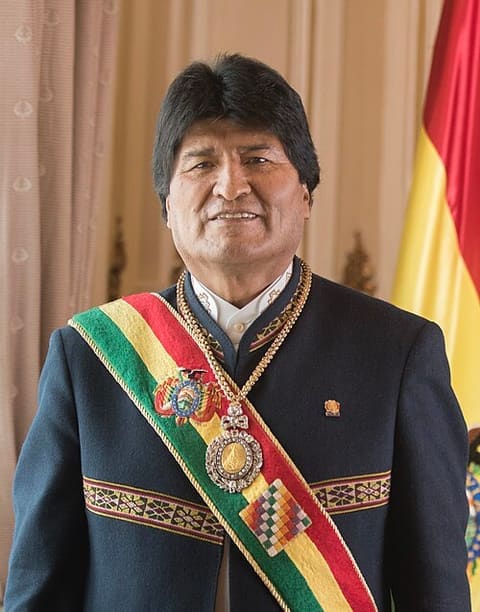
Bolivia's first indigenous president, Evo Morales led indigenism and the plurinational state, nationalizing resources and expanding the rights of native peoples within a left-wing project.
Closest, by dimension
Other compatible profiles





The most distant
Reference country

An Andean presidential republic, Bolivia is marked by indigenous leadership, the defense of natural resources, and a plurinational state project that unites economic nationalism and broad popular participation.
Other close countries
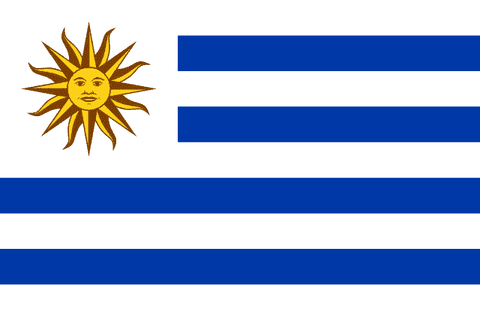
A South American presidential republic, Uruguay is recognized for solid democracy, strong secularism, broad social rights, and progressive policies, pairing institutional stability with a market economy.
Also close, by dimension

The most distant
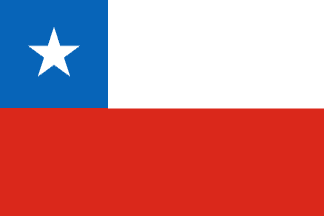
Under Allende's Popular Unity, Chile attempted democratic socialism through copper and bank nationalization, agrarian reform, and economic planning until the 1973 military coup.
Also close, by dimension

The most distant
Ideological proximity
Closest within Left
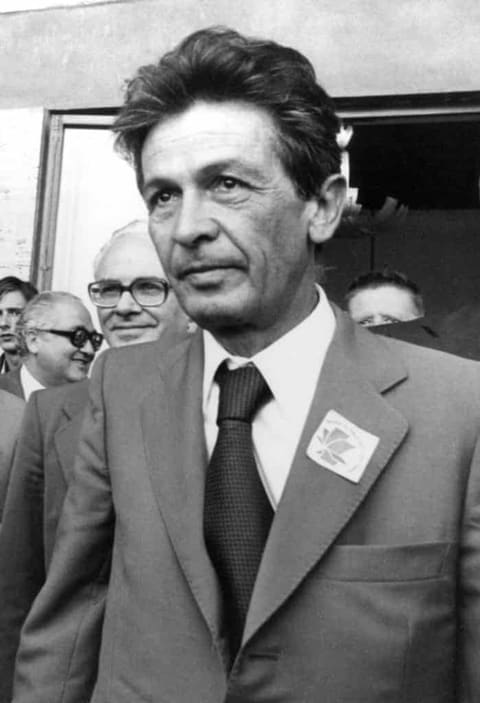
A 1970s Western European communist current that sought a national path to socialism through elections, party pluralism and civil liberties, independent of Moscow, with a mixed economy under democratic planning.
System in which collectively or publicly owned enterprises compete in markets, uniting the efficiency of competition with the socialist distribution of profits, without the rigid central planning of state economies.
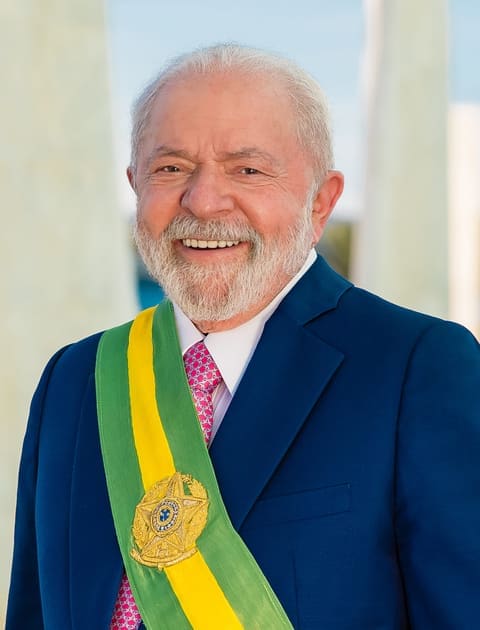
Model associated with Brazil's Workers' Party governments that seeks growth with social inclusion, combining rising minimum wages, popular credit, cash transfers and public banks without breaking with the market.
Closest in other spectrums
Nationalism based on citizenship and shared values rather than ethnicity, defining the nation by adherence to common laws and institutions, open to all who accept its democratic and civic principles.
Political tradition that values popular sovereignty, civic virtue, and the rule of law, defending citizens' self-government, the separation of powers, and protection against tyranny and the corruption of power.
Marx's original doctrine, analyzing history as class struggle and predicting capitalism's overcoming through proletarian revolution, with abolition of private ownership of the means of production and strong criticism of religion.
The most distant ideology
Authoritarian NeoliberalismFar-Right34%