Social-Developmentalism
Model associated with Brazil's Workers' Party governments that seeks growth with social inclusion, combining rising minimum wages, popular credit, cash transfers and public banks without breaking with the market.
Home / Ideologies / Social-Developmentalism
Model associated with Brazil's Workers' Party governments that seeks growth with social inclusion, combining rising minimum wages, popular credit, cash transfers and public banks without breaking with the market.
In one sentence
I want growth that shares income, with rising minimum wages, credit and public banks, broad alliances and the market kept in place.
Political topics
Leans further toward multiculturalism than 71% of the 263 ideologies in the catalog.
Of all the topics, Immigration is where it stands furthest from the rest.
On Technology, it sits practically at the catalog median.
Here it shares common ground with most ideologies.

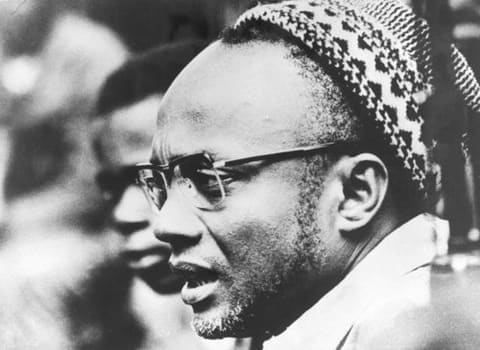
A Brazilian statesman, Lula rose from union activism to Brazil's presidency, leading the left with social programs, anti-poverty policies, and a development project with a strong state presence.
Closest, by dimension



Other compatible profiles







The most distant
Reference country

The largest country in Latin America, Brazil is a democratic presidential federal republic with a mixed economy, broad social policies, and strong regional, cultural, and political diversity that shapes its electoral disputes.
Other close countries
A presidential federal republic in North America, Mexico unites electoral democracy, a market economy integrated with the United States, and persistent challenges of inequality, corruption, and drug-related violence.
Also close, by dimension


The most distant

Under Allende's Popular Unity, Chile attempted democratic socialism through copper and bank nationalization, agrarian reform, and economic planning until the 1973 military coup.
Also close, by dimension


The most distant
Ideological proximity
Closest within Left
Current that mobilizes the people against economic elites, defending redistribution, public control, national sovereignty, plebiscitary democracy, and broad social policy in popular anti-establishment language.
Branch that seeks concrete social results by negotiating with the market and existing institutions, prioritizing responsible fiscal austerity, targeted social policy, and governability over revolutionary ideological purity.
A 1970s Western European communist current that sought a national path to socialism through elections, party pluralism and civil liberties, independent of Moscow, with a mixed economy under democratic planning.
Closest in other spectrums
Centrist branch that accepts the market economy but prioritizes social protection, public services, gradual reforms, and institutional consensus to reduce inequality without political rupture or permanent polarization.
Nationalism based on citizenship and shared values rather than ethnicity, defining the nation by adherence to common laws and institutions, open to all who accept its democratic and civic principles.
Current of Brazil's PSDB, founded in 1988 by Covas, Montoro and Cardoso, joining a market economy, social state, state reform and fiscal responsibility with parliamentarism and moderation on social issues.
The most distant ideology
FeudalismFar-Right35%