Bonapartism
Caesarist current that legitimises a charismatic leader by plebiscite above parties, combining personal authority, bureaucratic centralisation, military mobilisation and state-led modernising reforms.
Home / Ideologies / Bonapartism
Caesarist current that legitimises a charismatic leader by plebiscite above parties, combining personal authority, bureaucratic centralisation, military mobilisation and state-led modernising reforms.
In one sentence
I want a nation mobilised by a plebiscitary leader above parties, modernising the state and directing strategic sectors with authority.
Political topics
Leans further toward autocracy than 80% of the 263 ideologies in the catalog.
Of all the topics, Representation is where it stands furthest from the rest.
On Immigration, it sits close to the catalog median.
Here it shares common ground with most ideologies.
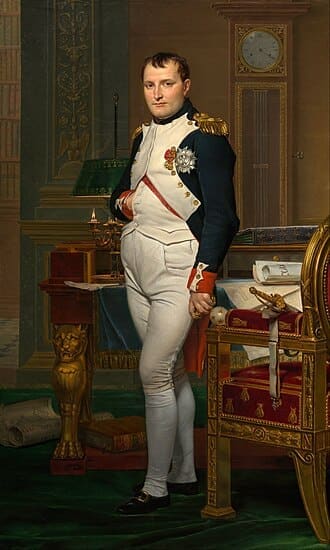
A French general and emperor, Napoleon consolidated the Revolution's administrative and legal reforms while concentrating personal power, expanding France militarily and shaping European modernizing authoritarianism.
Closest, by dimension
Other compatible profiles
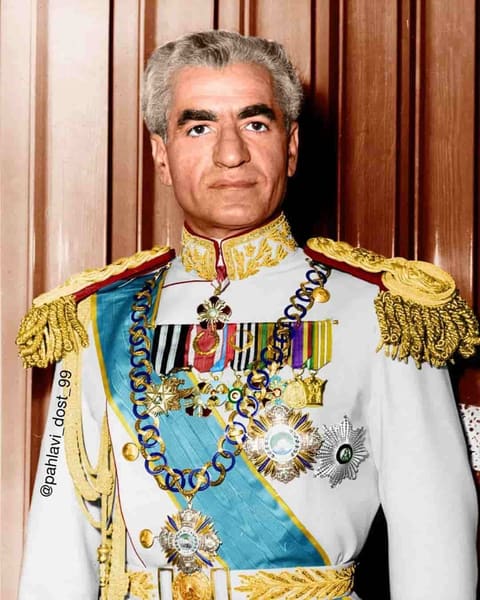
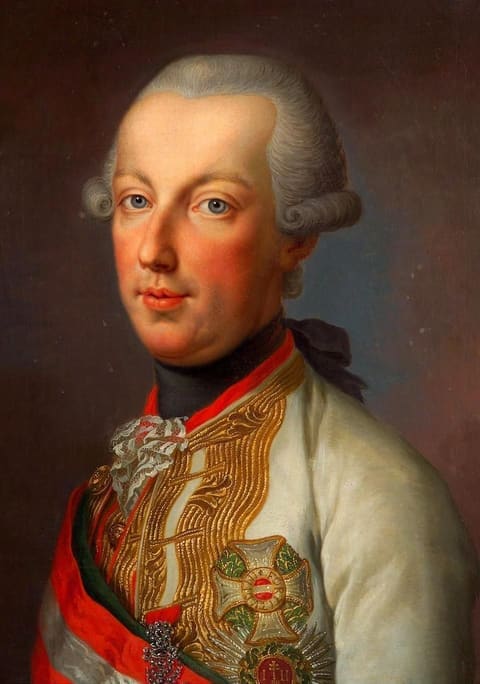
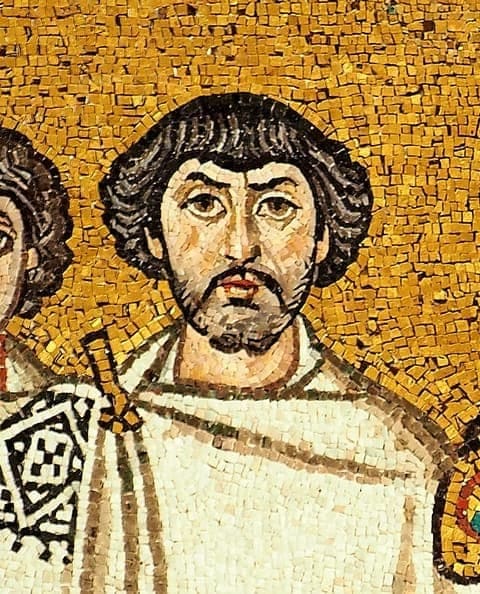
The most distant
Reference country
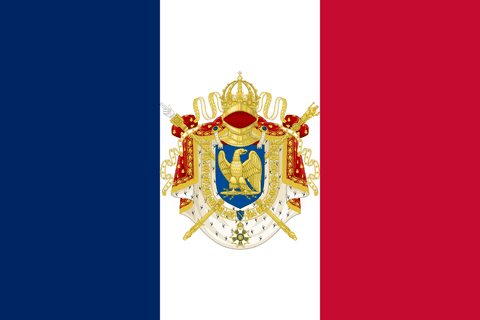
Under Napoleon Bonaparte, the First French Empire concentrated absolute power in the emperor, imposed the Civil Code and a centralized administration across conquered Europe, and sustained its territorial expansion through continuous warfare and a mass-conscription army.
Other close countries
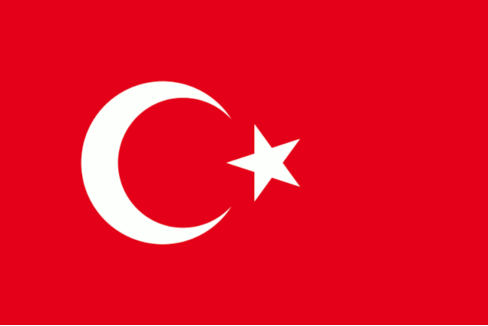
A presidential republic between Europe and Asia, Turkey combines electoral democracy with strong concentration of power, nationalism, religious conservatism, and an assertive foreign policy in the Middle East and the Mediterranean.
Also close, by dimension


The most distant
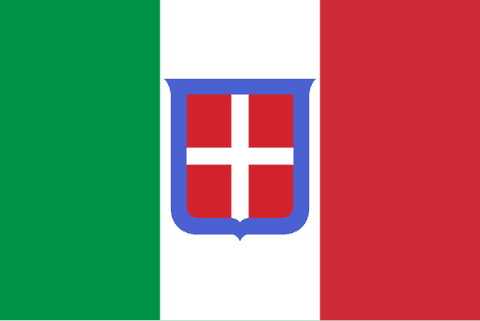
Italian state unified by the House of Savoy under the Albertine Statute, characterized by administrative centralization, liberal politics, and Mediterranean ambitions.
Also close, by dimension

The most distant
Ideological proximity
Closest within Far-Right
Doctrine that defends the territorial, military and economic expansion of a nation over other peoples and territories, keeping colonies and spheres of influence tied to the interests of the metropole through military and political power.
Regime centered on the armed forces as the core of political power, governing by junta or military hierarchy, with centralization, discipline, a high value on order and expansionism, and civilian politics subordinate to military command.
Model that combines a market economy and private property with a closed political regime, in which the state guarantees order, growth, and stability while restricting civil liberties and political competition.
Closest in other spectrums
Model that organizes society into corporations of workers and employers integrated into the state, seeking harmony between classes and directed economic cooperation instead of conflict or free competition.
Autocratic, militarized imperial order that expands territory by conquest yet governs conquered peoples through communal autonomy, administered religious tolerance and tribute, without demanding cultural assimilation from its subjects.
Doctrine combining free enterprise and competition in the domestic market with an external tariff wall, subsidies for infant industry, a national bank, public infrastructure and trade surplus as a source of national power.
The most distant ideology
Anarcho-PacifismAnarchist23%