Mercantilism
Doctrine combining free enterprise and competition in the domestic market with an external tariff wall, subsidies for infant industry, a national bank, public infrastructure and trade surplus as a source of national power.
Home / Ideologies / Mercantilism
Doctrine combining free enterprise and competition in the domestic market with an external tariff wall, subsidies for infant industry, a national bank, public infrastructure and trade surplus as a source of national power.
In one sentence
I want free competition at home protected by an external tariff wall, with a national bank and subsidies for infant industry generating a surplus.
Political topics
Leans further toward nationalist than 86% of the 263 ideologies in the catalog.
Of all the topics, Nationalism is where it stands furthest from the rest.
On Free market, it sits practically at the catalog median.
Here it shares common ground with most ideologies.
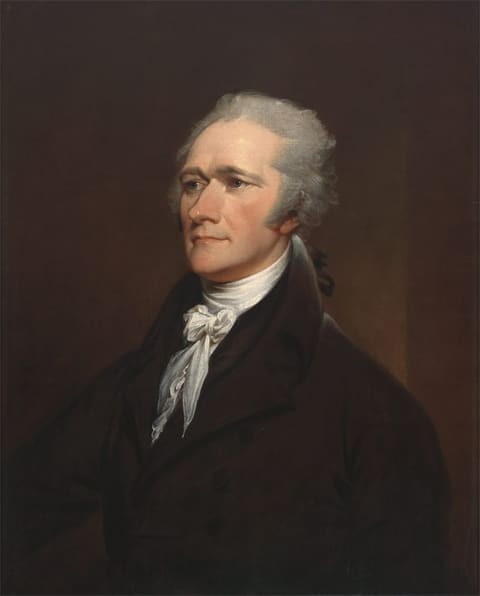
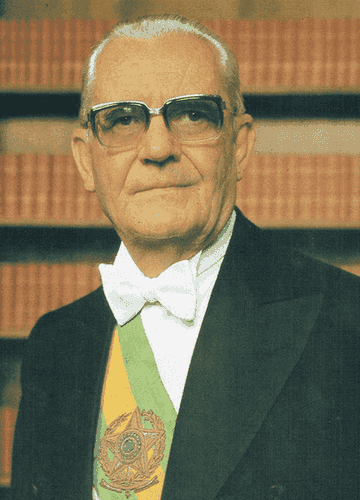
A founder of the United States, Hamilton championed strong federal government, robust public finances, a national bank, and industrialization, combining constitutional republicanism with modernizing economic nationalism.
Closest, by dimension
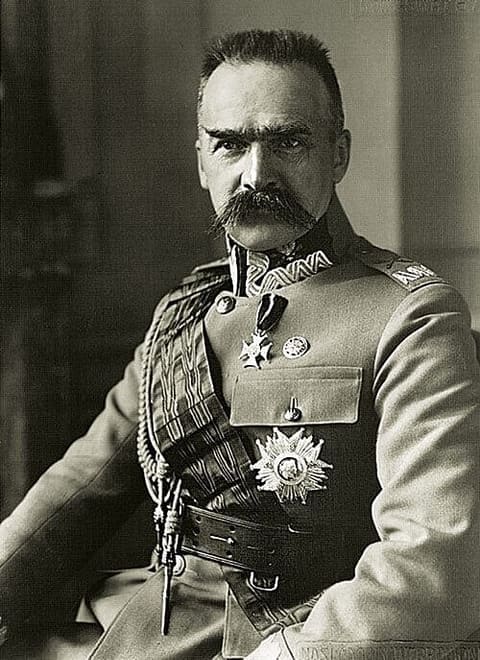
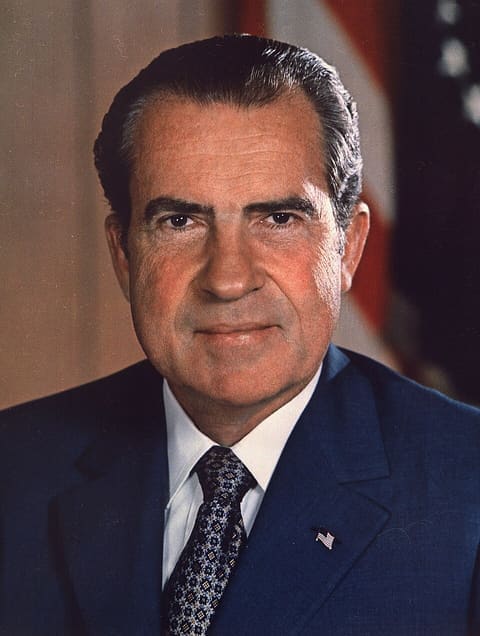
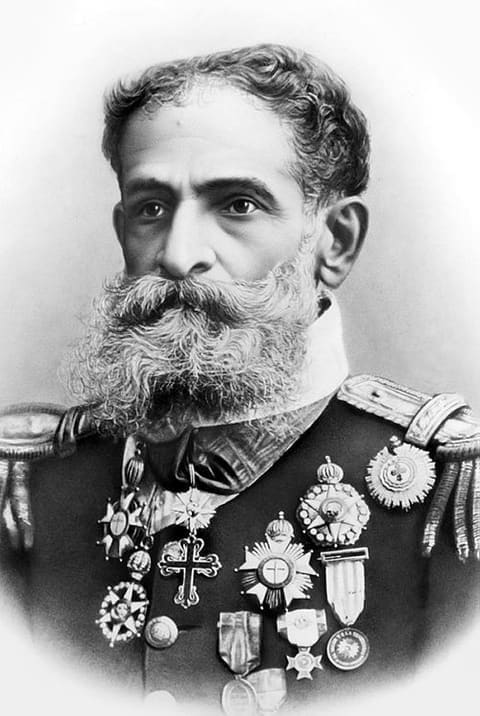
Other compatible profiles


The most distant
Reference country
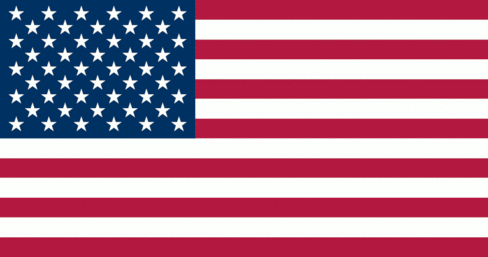
A global power and presidential federal republic, the United States combines a strong liberal tradition, a dynamic market economy, technological innovation, and a two-party system that polarizes national political life.
Other close countries
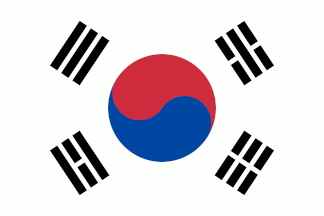
An Asian presidential republic, South Korea combines a vibrant democracy, an export-oriented market economy, and technological leadership, the result of rapid development under strong state impetus.
Also close, by dimension


The most distant
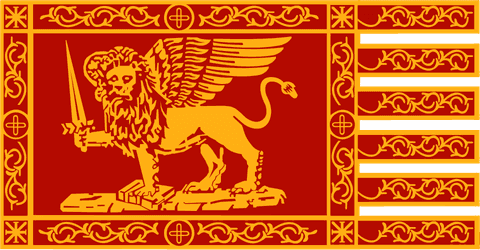
A powerful medieval merchant republic, Venice was governed by a commercial oligarchy that dominated Mediterranean trade, uniting stable institutions, a strong navy, and immense economic power for centuries.
Also close, by dimension

The most distant
Ideological proximity
Closest within Right
Ideology that places the nation as the central value, defending its sovereignty, unity, and identity, and prioritizing the interests of the people and the nation-state over external influences and globalism.
Conservative branch that defends order, tradition, and institutions without grounding them in religion, supporting cultural values and social stability with secular, historical, and pragmatic arguments.
Thoroughly secular conservatism that rejects faith and clergy while defending hierarchy, family, authority, nation and inherited customs as civilizational goods, treating traditional morality as a social necessity rather than a divine commandment.
Closest in other spectrums
Caesarist current that legitimises a charismatic leader by plebiscite above parties, combining personal authority, bureaucratic centralisation, military mobilisation and state-led modernising reforms.
A doctrine coined by Guillaume Faye that fuses archaic, hierarchical and traditionalist values — ethnic identity, spirituality and a warrior ethos — with an unreserved embrace of advanced technology, arguing that an approaching civilizational collapse will force humanity to combine tribal social order with hyper-modern science.
Regime centered on the armed forces as the core of political power, governing by junta or military hierarchy, with centralization, discipline, a high value on order and expansionism, and civilian politics subordinate to military command.
The most distant ideology
Anarcho-PacifismAnarchist26%