Nationalism
Ideology that places the nation as the central value, defending its sovereignty, unity, and identity, and prioritizing the interests of the people and the nation-state over external influences and globalism.
Home / Ideologies / Nationalism
Ideology that places the nation as the central value, defending its sovereignty, unity, and identity, and prioritizing the interests of the people and the nation-state over external influences and globalism.
In one sentence
I want a society assimilated into national identity, with strong order and an economy protected from abroad in the name of the people's sovereignty.
Political topics
Leans further toward assimilation than 79% of the 263 ideologies in the catalog.
Of all the topics, Immigration is where it stands furthest from the rest.
On Technology, it sits practically at the catalog median.
Here it shares common ground with most ideologies.
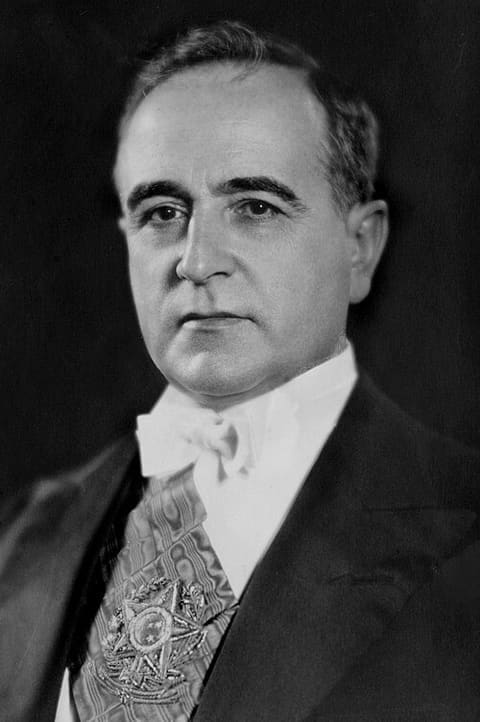
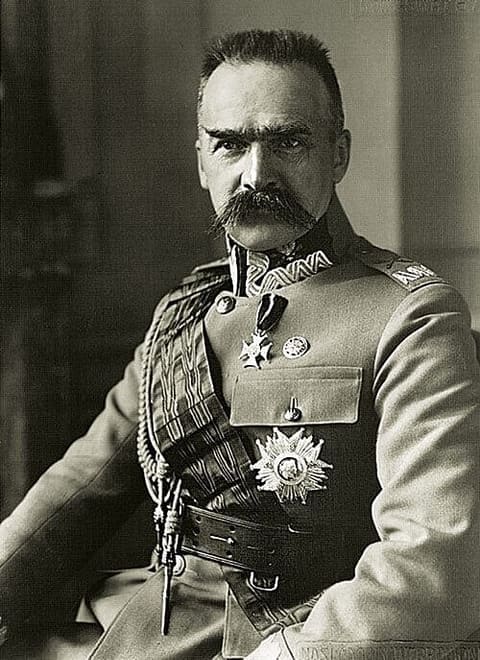
A Brazilian statesman, Vargas shaped modern Brazil with developmentalist nationalism, state-directed industrialization, and labor legislation, founding Brazilian labourism and marking decades of national politics.
Closest, by dimension

Other compatible profiles
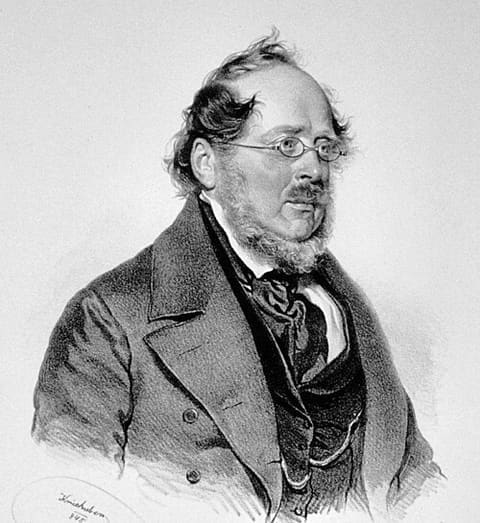
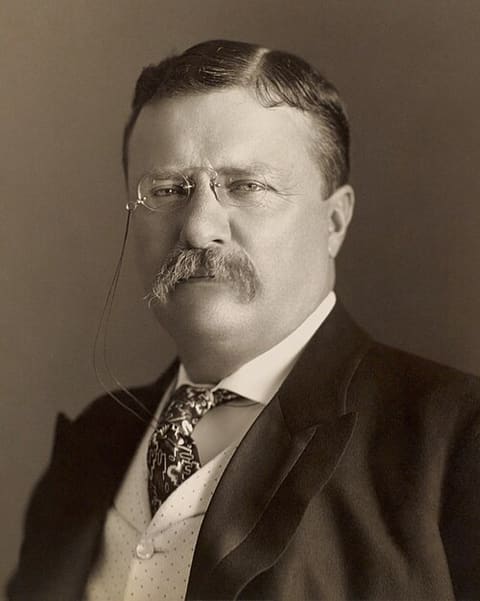

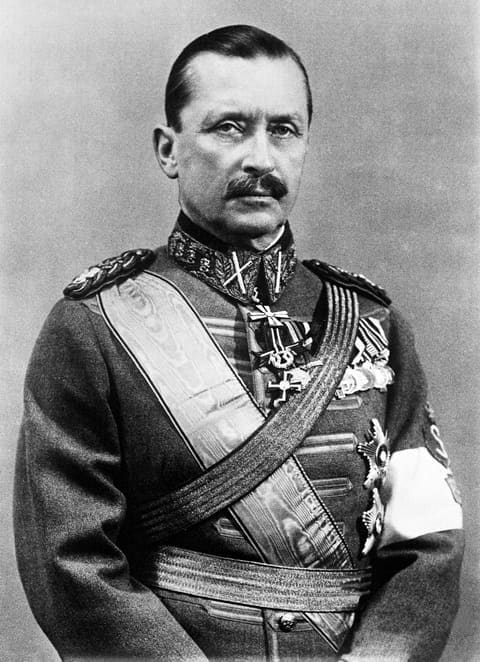
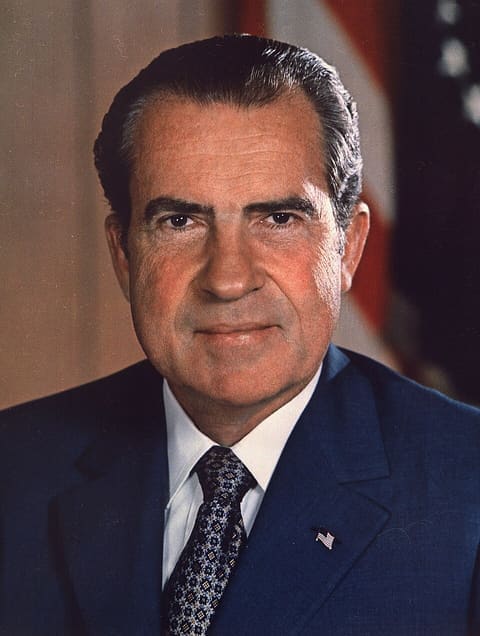
The most distant
Reference country
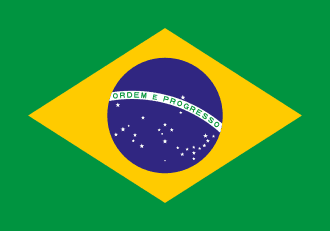
Under Vargas, Brazil experienced a nationalist, developmentalist regime that promoted state-directed industrialization, labor legislation, and the centralization of power, laying the foundations of Brazilian labourism.
Other close countries
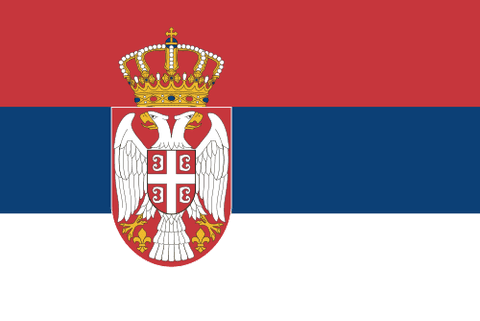
An Orthodox-majority Balkan country, Serbia has been dominated since 2012 by Aleksandar Vučić's party, is an EU candidate yet close to Russia and China, militarily neutral, does not recognize Kosovo and faced massive student protests in 2025.
Also close, by dimension
The most distant
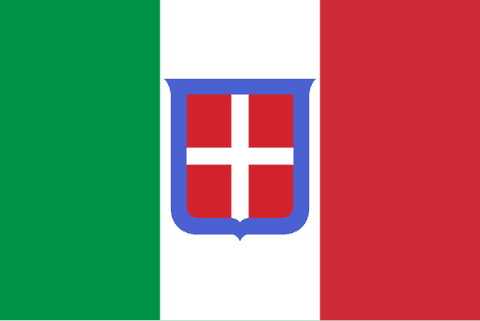
Italian state unified by the House of Savoy under the Albertine Statute, characterized by administrative centralization, liberal politics, and Mediterranean ambitions.
Also close, by dimension
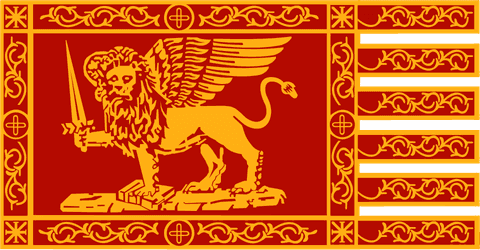
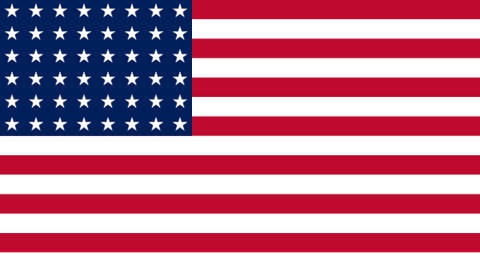
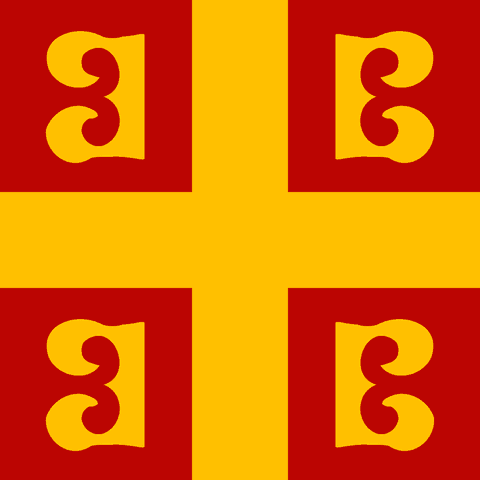
The most distant
Ideological proximity
Closest within Right
Doctrine combining free enterprise and competition in the domestic market with an external tariff wall, subsidies for infant industry, a national bank, public infrastructure and trade surplus as a source of national power.
Current that combines popular sovereignty and democratic institutions with strong cultural nationalism, prioritizing the nation's interests and identity over supranational commitments and multiculturalism.
Nationalism based on shared language, traditions, and heritage rather than race, which values the people's cultural identity and the integration of those who adopt these values, defending the nation's cohesion.
Closest in other spectrums
Democratic Party current born with Franklin Roosevelt that joins financial regulation, social security, public works and strong unions with civic patriotism, preserved capitalism and international leadership.
Justicialist doctrine of Juan and Eva Perón uniting political sovereignty, economic independence and social justice, with CGT unions, nationalizations, protected industrialization, social Catholicism and a charismatic leader above parties.
Caesarist current that legitimises a charismatic leader by plebiscite above parties, combining personal authority, bureaucratic centralisation, military mobilisation and state-led modernising reforms.
The most distant ideology
Techno-AnarchismAnarchist28%